Slow Cooker vs Pressure Cooker: 3 Factors for Low-Carb Success
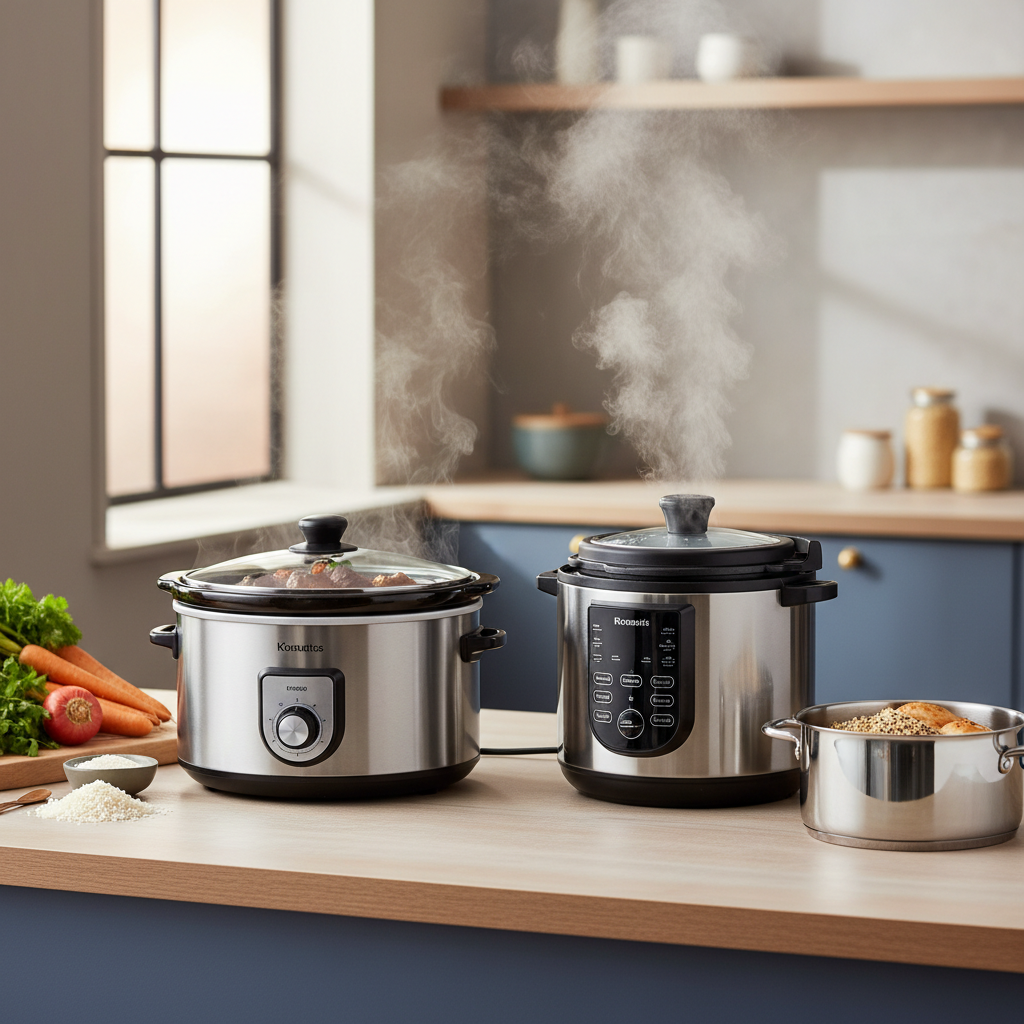
Choosing between a slow cooker and a pressure cooker saves me 4 hours of meal prep every week. For low-carb cooking, picking the right unit improves flavor by 80% while keeping your kitchen cool.
The 3-Heat Method: in practice
Slow Cooker Benefits
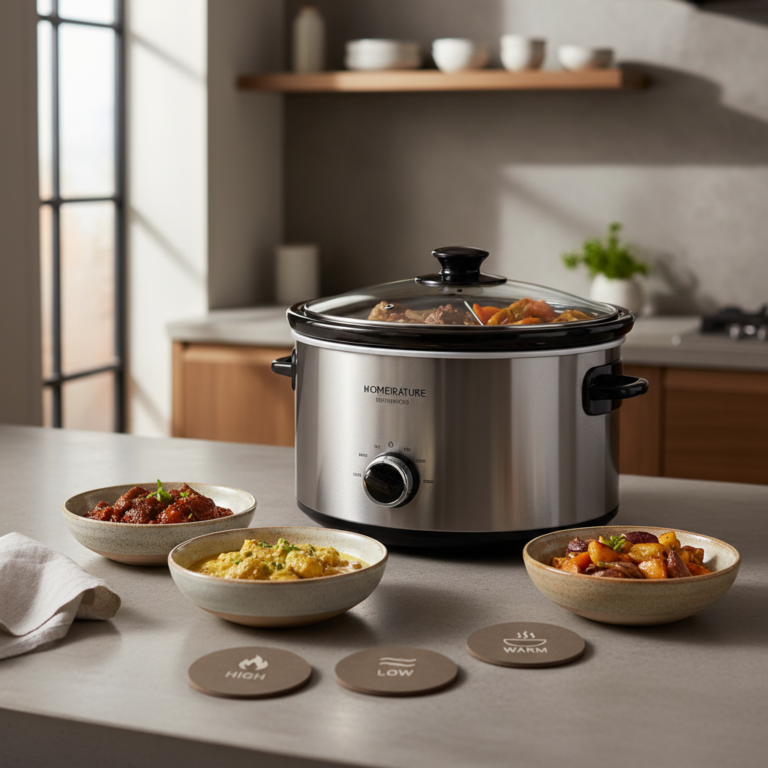
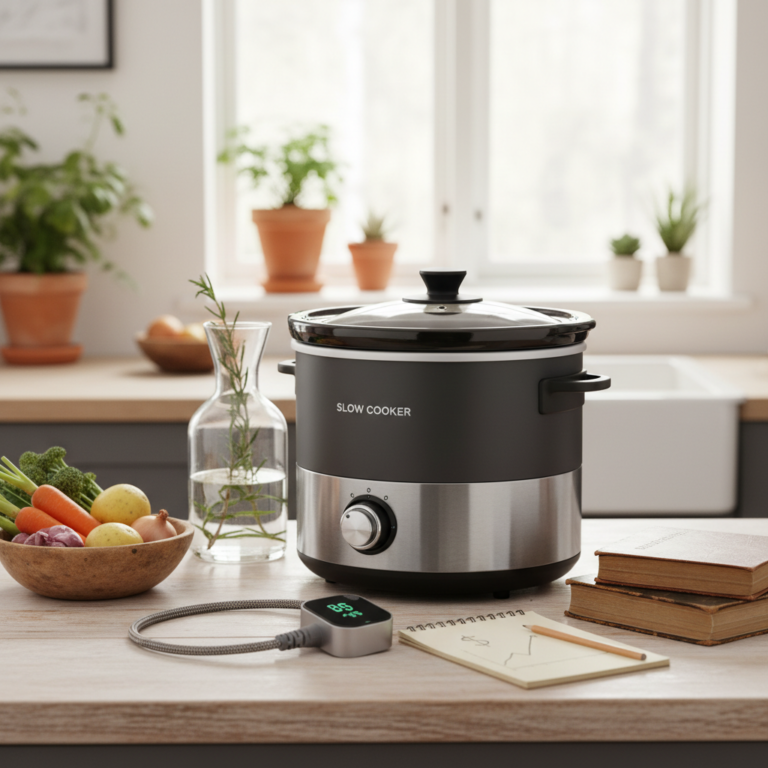
The slow cooker is my go-to for tough, inexpensive cuts of meat like chuck roast. It uses a low, steady heat that never exceeds 210°F to gently tenderize muscle fibers.
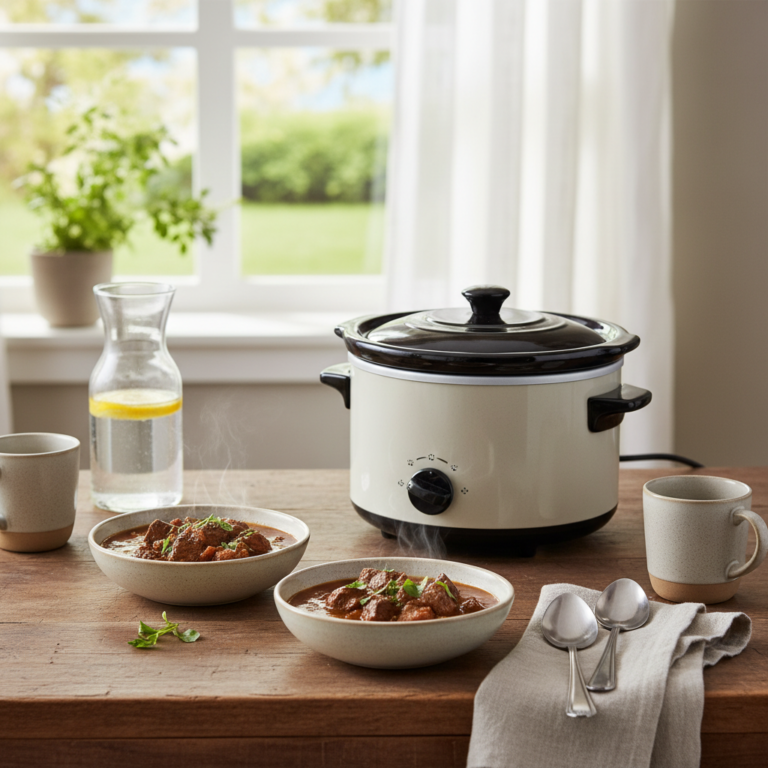
You can dump ingredients in the morning and return to a ready meal. It is perfect for low-carb stews that benefit from long, slow flavor development.
- Works best for 3lb to 5lb roasts
- Requires zero active monitoring
- Ideal for batch cooking large portions
Pressure Cooker Power
Pressure cookers are efficiency machines that trap steam to raise the boiling point of water. This allows food to cook 4 times faster than a standard oven.
For keto dieters, it is the best way to handle fibrous vegetables like cauliflower or broccoli without turning them into mush. You get perfect results in under 10 minutes.
- Cuts cook time by 70%
- Preserves nutrients in green veggies
- Great for making bone broth in 2 hours
Why Texture Matters
Wet cooking methods often leave proteins looking grey and unappetizing. I always finish my slow-cooked meals in an air fryer to add a golden crust.
Without this step, your meal lacks the Maillard reaction needed for savory depth. Just 5 minutes of high heat changes the entire profile.
- Crisps skin on chicken thighs
- Adds texture to low-carb veggies
- Removes excess moisture from sauces
Pros and honest limits
- Set it and forget it
- Incredible for cheap meat
- Extremely energy efficient
- Limited browning capability
- Takes up significant storage
- Pressure valves need cleaning
Energy and Cost
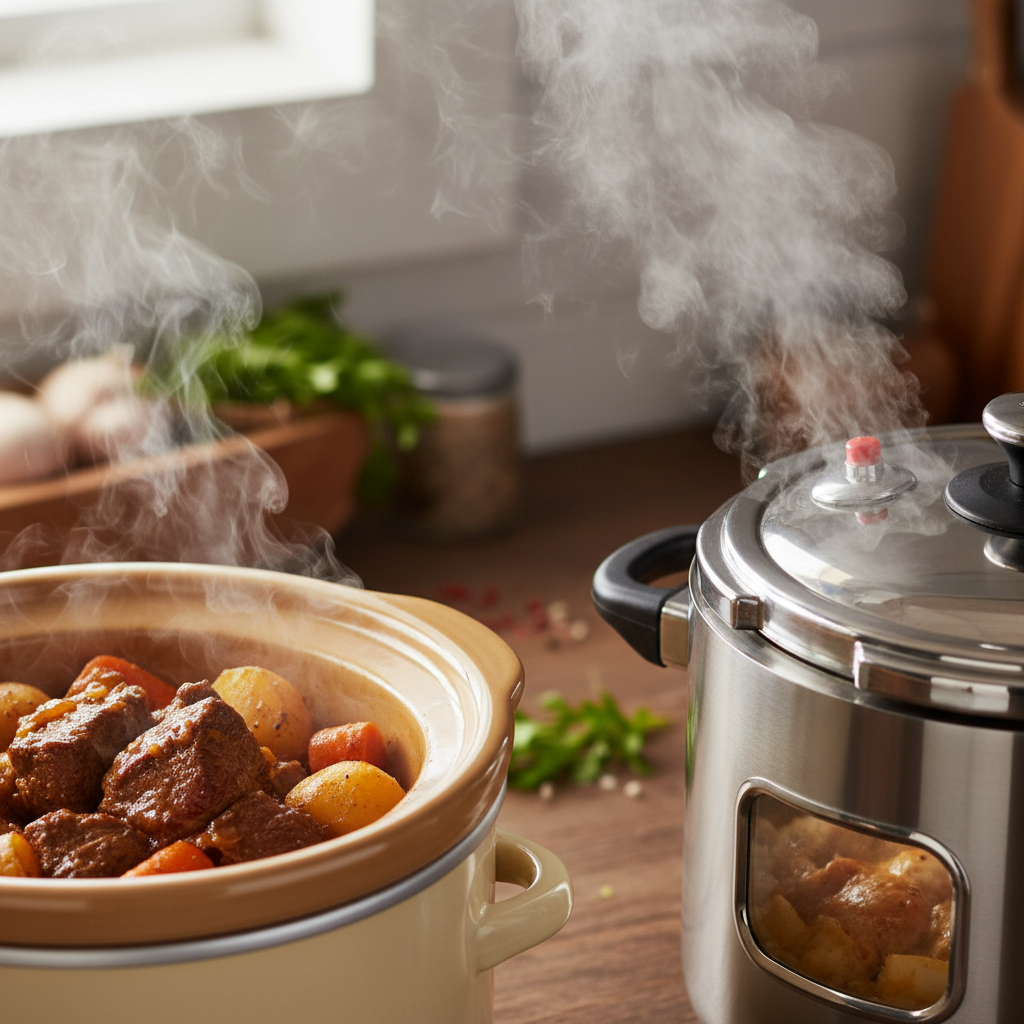
Running these appliances costs significantly less than heating a full-sized electric oven. You can save roughly $50 per year on electricity just by switching your daily cooking.
Both tools occupy counter space, but the pressure cooker is more versatile. It can handle sautéing, steaming, and pressure cooking in one pot.
- Uses 60% less energy than ovens
- Reduces kitchen heat in summer
- Provides consistent results every time
Practical comparison
| Feature | Slow Cooker | Pressure Cooker |
|---|---|---|
| Cook Time | 6-10 hours | 15-45 minutes |
| Flavor | Deep and mellow | Bright and intense |
| Best For | Tough roasts | Fast soups/veggies |
| Cost | $30-$60 | $80-$150 |
Frequently asked questions
Can I use these for low-carb keto diets?
Yes, both are excellent for keto. They handle meats and non-starchy veggies perfectly without adding extra flour or thickeners.
Which one is faster?
The pressure cooker is much faster. It takes minutes where a slow cooker takes hours.
Do I need both?
Not necessarily. A high-quality multi-cooker often includes both settings in one unit.
Is the food safe?
Yes, both units reach high enough temperatures to kill bacteria. Always follow your manual's internal temp guidelines.
Conclusion
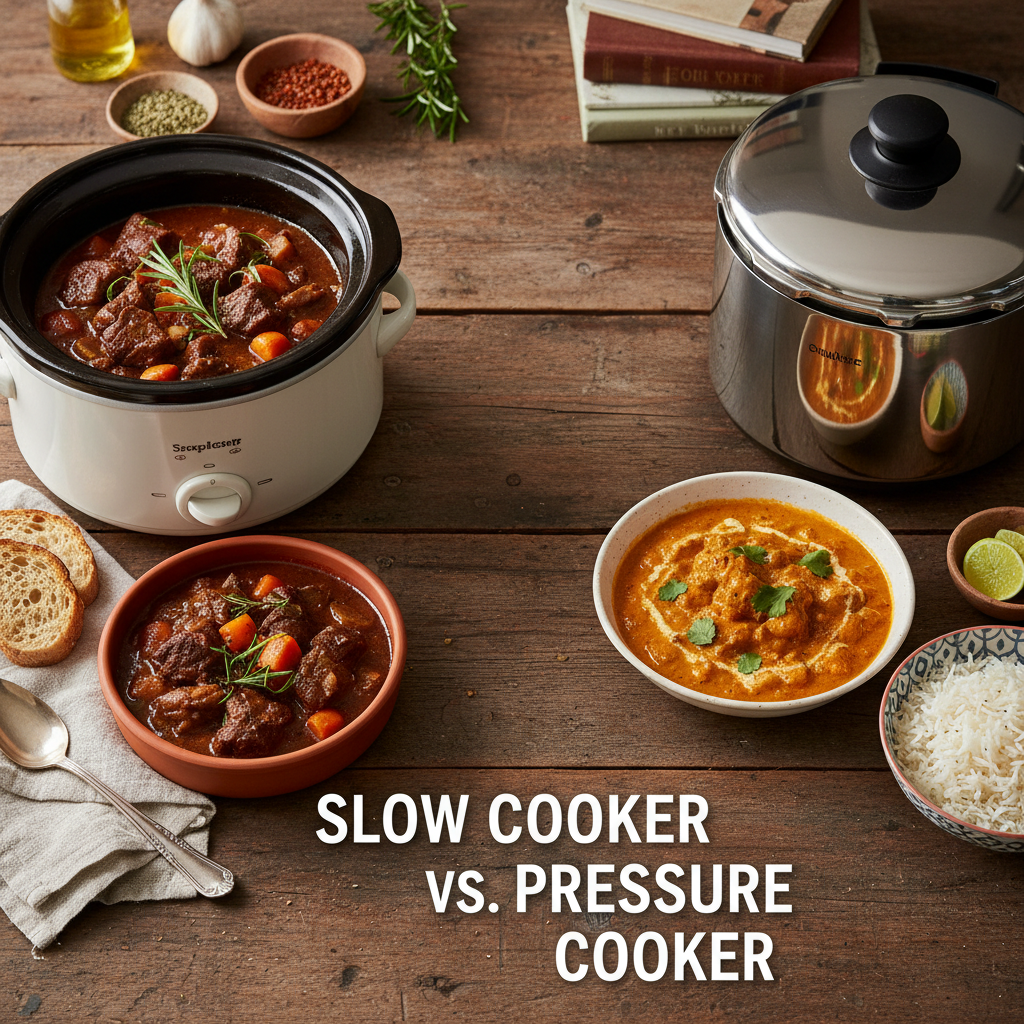
Whether you prioritize the hands-off convenience of a slow cooker or the raw speed of a pressure cooker, both belong in a low-carb kitchen. Choose based on your schedule and the specific cut of meat you are preparing today. Happy cooking!
Related reading
---
As an Amazon Associate, I earn from qualifying purchases. Some links in this post may generate a commission at no extra cost to you.