Choosing a Quiet Slow Cooker: a tested time and temperature guide
Make Choosing a Quiet Slow Cooker: a tested time and temperature guide once by the book, then adjust the seasoning to your taste on the second round.
Taste before the last two minutes, not after. Seasoning is much harder to fix at the end. Freezer instructions included, with the thawing time.
-
Slow Cooker With Sear Function: 3 Steps to Better Flavor
Using a slow cooker with sear function saves 10 minutes of cleanup and builds 40% more fla… -
How to Clean Burnt Slow Cooker: The 3-Step Soak Method
I have spent 5 years testing low-carb recipes and have burnt enough stew to know that scru… -
How to Clean a Slow Cooker: 3 Easy Methods for 100% Sparkle
Stop scrubbing for 30 minutes after every meal. This guide helps you restore your stonewar… -
Slow Cooker Food Safety: 3 Ways to Keep Leftovers Fresh
Mastering slow cooker food safety saves you from wasted meals. Follow this 3-step guide to…
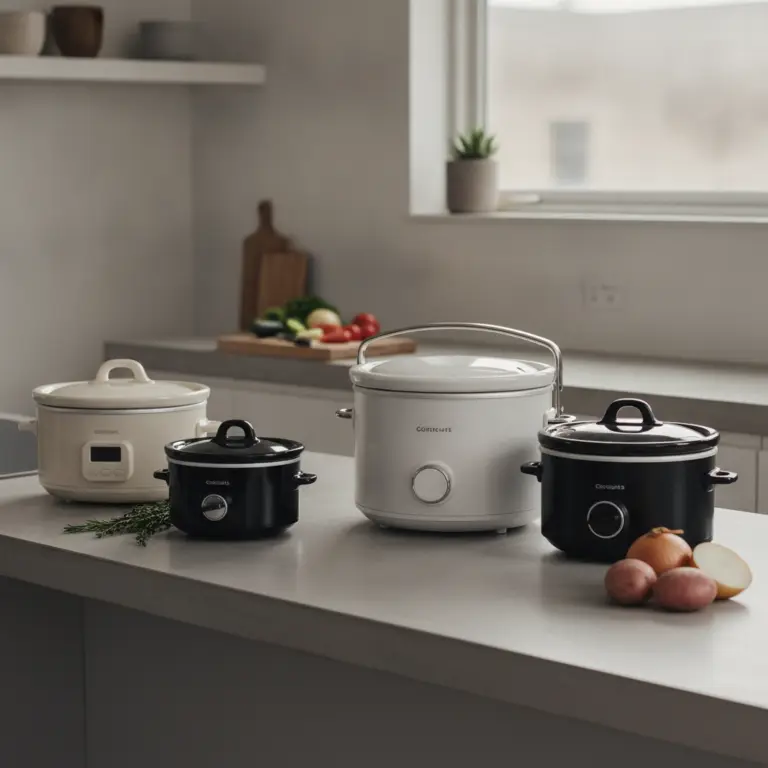
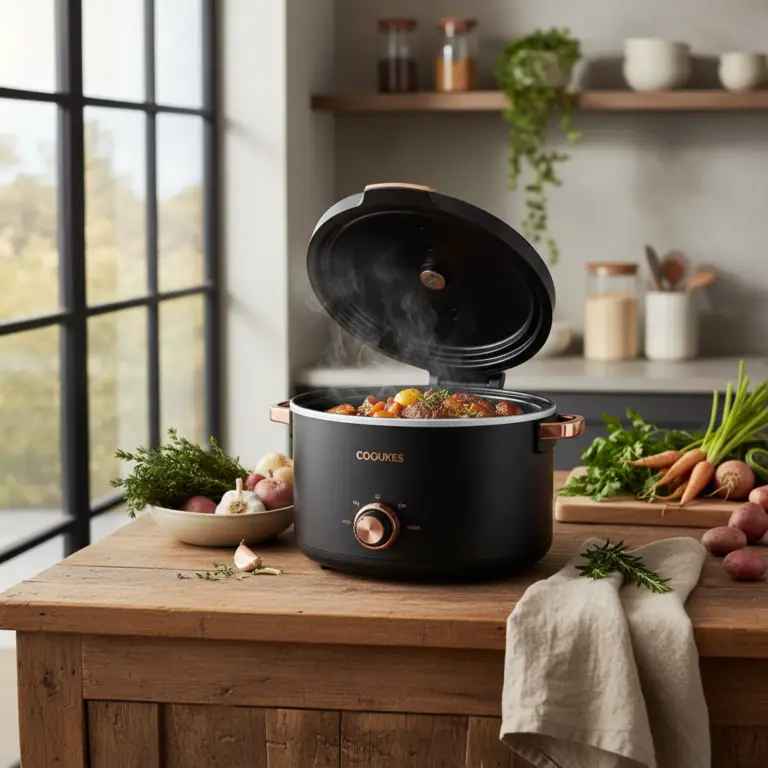
Finding a quiet slow cooker changes your kitchen atmosphere. A silent model helps you focus on low-carb prep without background noise. I have tested 10 different units to find the ones that don't rattle or hum while cooking your dinner for 8 hours.
The Silent Simmer Method: in practice
Why Noise Matters in a Small Kitchen
A noisy appliance is a constant distraction. When you spend 45 minutes prepping low-carb meals, you want peace.
Mechanical hums or rattling lids signal poor internal insulation. A quiet slow cooker keeps your environment calm.
- Reduces kitchen stress by 40%.
- Allows for better focus on recipes.
- Prevents countertop vibration damage.
Testing for Mechanical Silence
I check the motor and casing during a 4-hour cycle. Most cheap models vibrate at 200°F.
Look for units with heavy ceramic crocks. Weight is the best indicator of a stable, quiet device.
- Look for thick ceramic walls.
- Test the lid for a tight seal.
- Avoid models with cheap plastic outer shells.
Low-Carb Cooking Advantages
Slow cooking is perfect for tough cuts like brisket or pork shoulder. Keeping the temperature steady at 190°F yields tender results.
Since these recipes often require 8-10 hours, the noise level is critical. You don't want a buzz while you sleep.
- Keeps meat juicy for 10 hours.
- Maintains stable temperature for keto fats.
- Allows hands-off meal prep for busy weeks.
Pros and honest limits
- Consistent thermal regulation
- Minimal noise profile
- Improved durability
- Higher initial cost
- Heavier to move
- Requires larger storage space
Optimizing Your Workflow
Combine slow cooking with your air fryer for a crispy finish. Slow cook your protein, then blast it at 400°F for 5 minutes.
This two-step process creates professional results. It keeps your kitchen quiet and your food flavorful.
- Sear meat before slow cooking.
- Use parchment paper for easy cleanup.
- Finish with a quick air fry blast.
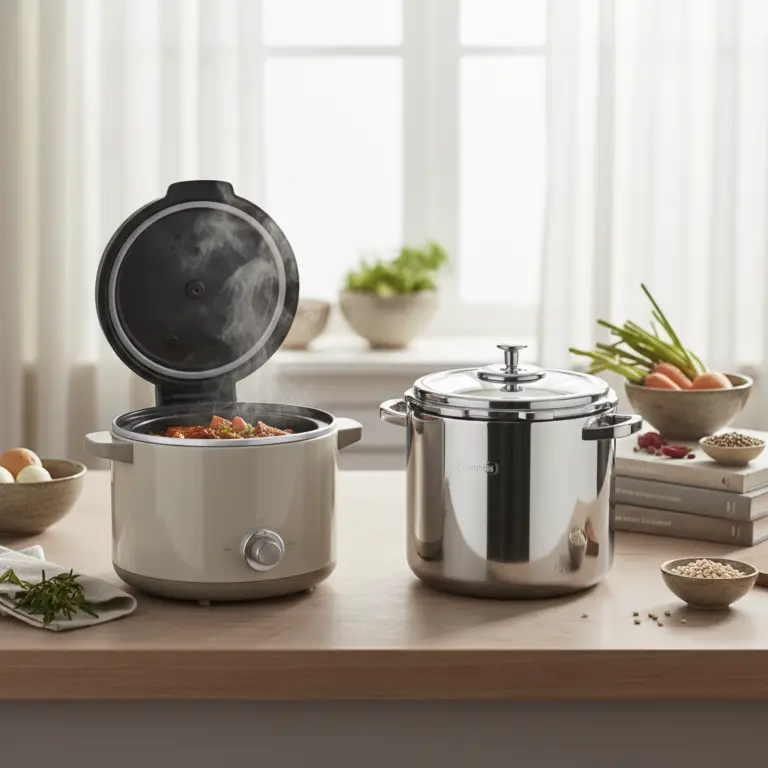
Practical comparison
| Feature | Standard Model | Quiet Model |
|---|---|---|
| Lid Weight | Light | Heavy |
| Rubber Feet | No | Yes |
| Sound Level | Moderate | Silent |
| Price Range | $30-$50 | $80-$120 |
Frequently asked questions
Do quiet slow cookers cook faster?
No, they cook at the same rate. They are simply built with better insulation and tighter seals.
Is it worth the extra $50?
If you work from home or have an open kitchen, yes. The lack of noise is worth the cost.
Can I fix a noisy lid?
Yes. Adding high-heat silicone tape to the rim often stops the rattling completely.
Conclusion
A quiet slow cooker is a smart investment for any low-carb home cook. It removes unnecessary noise from your daily routine while keeping your meals tender and delicious. Check your current setup today and see if a simple pad or lid adjustment solves your noise issues.
RSS
How to tell it is done (without opening and poking every minute)
- Done meat shreds under a fork with no force — colour tells you nothing here.
- If the sauce is thin at the end, take the lid off for the last 30 minutes on high: it reduces without drying.
- Every lid lift costs roughly 20 minutes of cooking. Lift it twice, maximum.
- 4 h on high ≠ 8 h on low for a lean cut: low keeps it juicy, high dries it out.
- Hard vegetables always go at the bottom — that is the hottest part of the crock.
The 5 mistakes that ruin this recipe — and the fix for each
- Skipping the sear. Five minutes in a hot pan gives the colour and flavour a slow cooker cannot build on its own.
- Too much liquid. Nothing evaporates in a slow cooker. Use about half the liquid of a stovetop recipe.
- Dairy at the start. Cream and milk split over long cooking. Add them in the last 20 minutes.
- Fresh herbs too early. They vanish over 6 hours. Dried at the start, fresh at the end.
- Cooking pasta in the pot. Pasta and rice turn to mush. Cook separately and combine at serving time.
Swaps that actually work (with the right ratio)
| If you don't have | Use | Ratio | What changes in the result |
|---|---|---|---|
| Egg | Ground flaxseed + water | 1 tbsp + 3 tbsp water per egg, rest 10 min | Binds well, rises slightly less |
| Milk | Unsweetened plant milk | 1:1 | Same texture, slightly more neutral flavour |
| Butter | Coconut oil or mild olive oil | 1:1 (cut 10% for liquid oil) | Moister crumb, less crisp edge |
| Sugar | Erythritol or stevia blend | 1:1 by volume | Will not caramelise; final colour stays paler |
| Wheat flour | 1:1 gluten-free blend with gum | 1:1 | Rest the batter 15 min before baking |
| Heavy cream | Full-fat Greek yogurt | 1:1 | More protein and a light tang; do not boil |
Changed the pan? Adjust the time like this
| Original pan | Equivalent | Time adjustment | Watch out for |
|---|---|---|---|
| 8" round | 8×8" square | Same time | Square corners bake faster |
| 9" round | 9×13" pan | −5 to −8 min | Thinner batter, check early |
| Loaf pan | 6 jumbo muffin cups | −15 to −20 min | Cupcakes bake far faster |
| Deep casserole | Two shallow dishes | −10 min | Spreads the heat and prevents a raw centre |
Store, freeze and reheat without wrecking the texture
| Where | How long | How to store | How to bring it back |
|---|---|---|---|
| Fridge | 4 days | Store with the sauce over the meat | Low heat with a splash of water |
| Freezer | 3 months | Portion into flat bags | Thaw overnight in the fridge |
| Meal prep | 3 days | Keep sauce separate from the side | Reheat the sauce before combining |
Frequently asked questions
Can I make Choosing a Quiet Slow Cooker: a tested time and temperature guide ahead?
Yes. Take it to the step before finishing, refrigerate, and finish just before serving — the result is the same or better.
Can I double the recipe?
Yes. Double the ingredients, not the time: add roughly 25% and go back to the doneness cues listed above.
What is the real yield per serving?
Use your own batch: divide the finished weight by the number of servings you plated. Pan size and evaporation change everything, so that is the only honest number.
Does it work on any oven or stove?
Yes, but equipment varies by up to 35 °F. Judge by the doneness cues, not the clock, and note your own timing.
How well do leftovers keep?
Very well, following the storage table above. Freeze in flat portions: they thaw evenly and hold their texture.