How to Clean a Slow Cooker: 3 Easy Methods for 100% Sparkle
Cheap ingredients, one bowl, and a result that tastes deliberate: that’s the idea behind How to Clean a Slow Cooker: 3 Easy Methods for 100% Sparkle.
Rest it briefly before serving; the texture settles and the slices hold together. Substitutions for the two trickiest ingredients are listed below.
-
Choosing a Quiet Slow Cooker: a tested time and temperature guide
Finding a quiet slow cooker changes your kitchen atmosphere. A silent model helps you focu… -
Slow Cooker With Sear Function: 3 Steps to Better Flavor
Using a slow cooker with sear function saves 10 minutes of cleanup and builds 40% more fla… -
How to Clean Burnt Slow Cooker: The 3-Step Soak Method
I have spent 5 years testing low-carb recipes and have burnt enough stew to know that scru… -
Slow Cooker Food Safety: 3 Ways to Keep Leftovers Fresh
Mastering slow cooker food safety saves you from wasted meals. Follow this 3-step guide to…
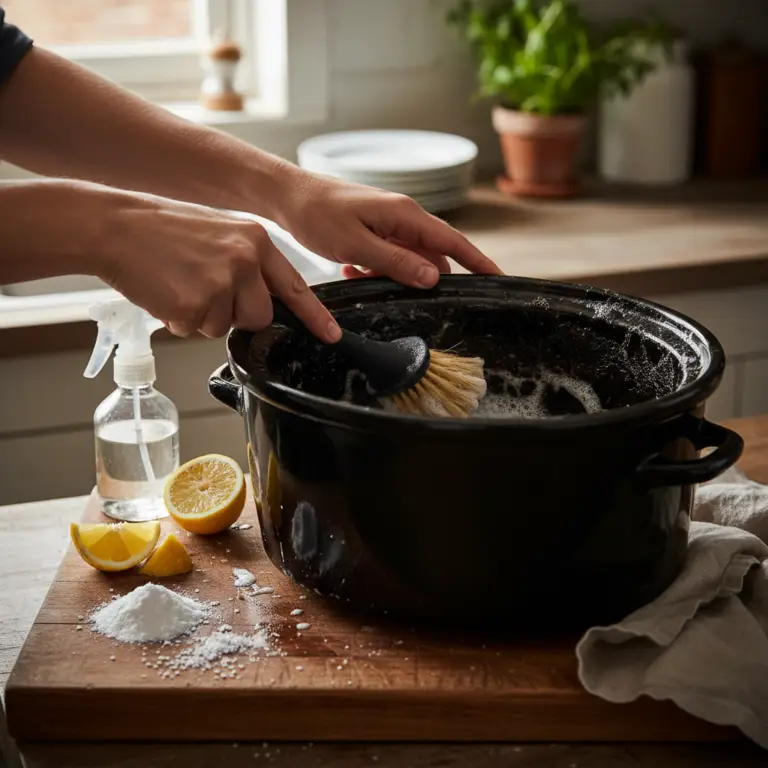
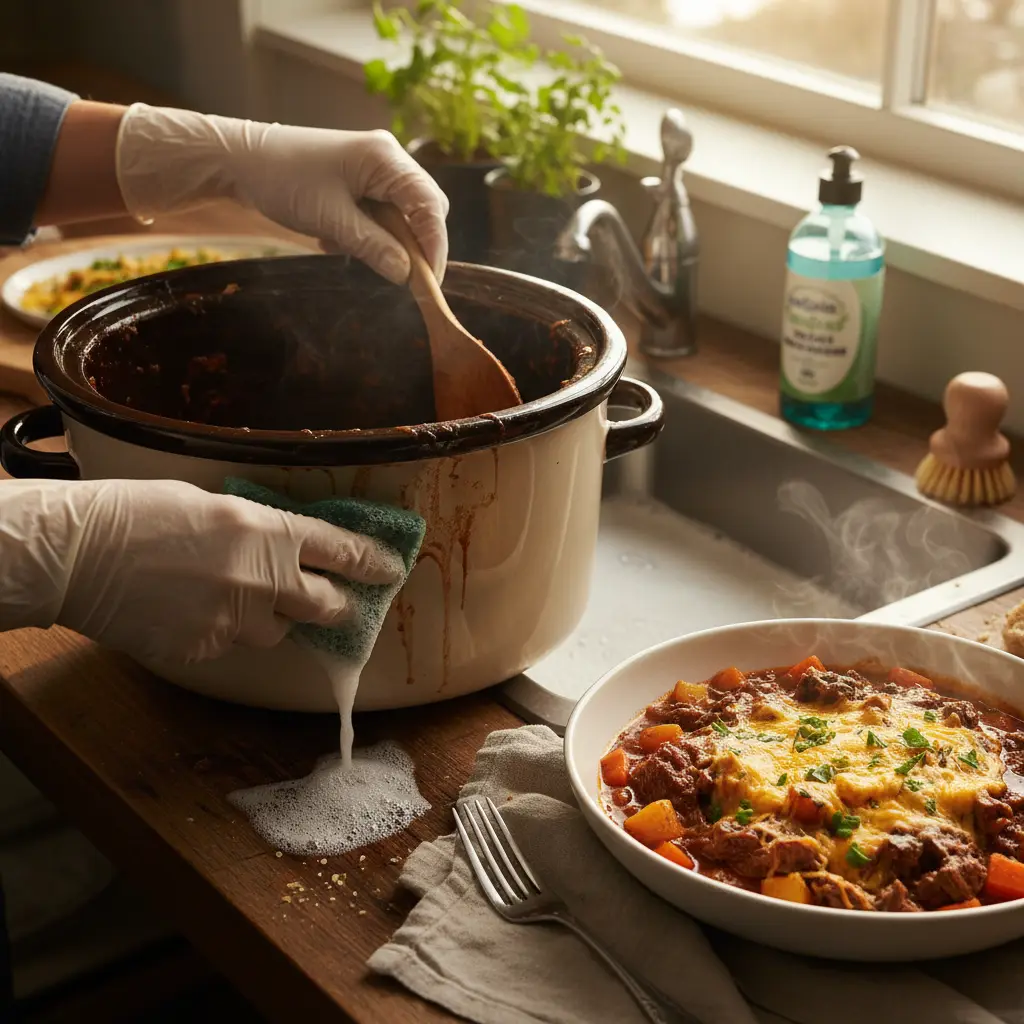
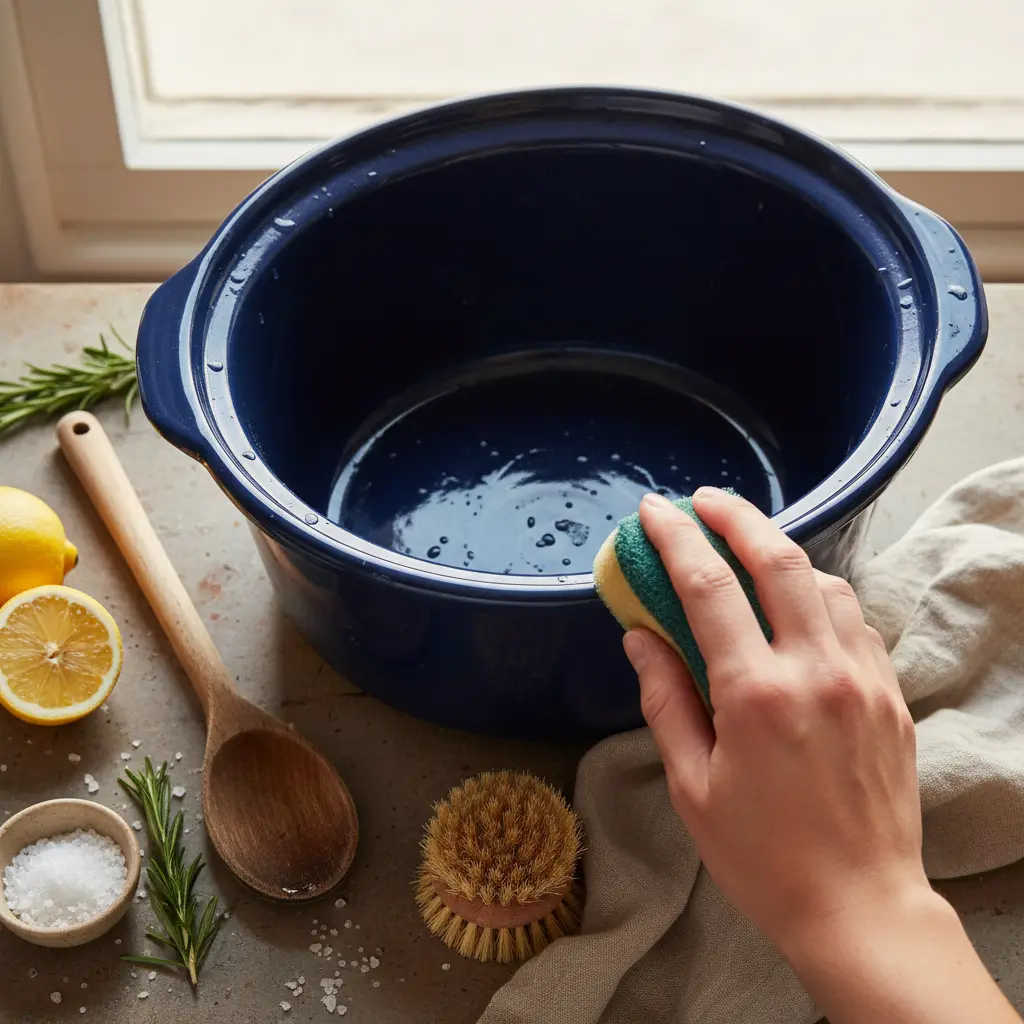
Stop scrubbing for 30 minutes after every meal. This guide helps you restore your stoneware using simple pantry staples, saving you 90% of your cleaning time while keeping your kitchen ready for your next low-carb keto meal.
The Soak-Scrub-Seal Method: in practice
Handling Stubborn Baked-On Food
Low-carb cooking often involves cheese and heavy cream sauces that fuse to the stoneware. Do not use metal scrapers as they ruin the protective glaze.
If the residue is stubborn, rely on chemical-free solutions. A mixture of vinegar and baking soda creates a fizzing action that lifts burnt proteins effortlessly.
- Use a wooden spoon to gently nudge debris.
- Avoid harsh steel wool pads that scratch surfaces.
- Soak overnight if the buildup is thicker than 0.25 inches.
Deep Cleaning the Exterior Base
The exterior base houses the heating element and should never be submerged in water. Wipe it down with a damp cloth after the unit cools below 100°F.
Fingerprints and oil splatters accumulate quickly near the knobs. Use a specialized degreaser or a mild soap solution to maintain the stainless steel finish.
- Unplug the unit before starting any cleaning.
- Check the electrical cord for any fraying.
- Clean the interior rim with a cotton swab for tight spaces.
Maintaining Your Stoneware Longevity
Stoneware is prone to thermal shock if you move it directly from a 400°F air fryer environment to a cold sink. Always let the insert reach room temperature first.
Store the insert inside the base with a paper towel between them. This prevents scratching the interior finish during storage in your cabinets.
- Avoid extreme temperature shifts to prevent cracking.
- Never use abrasive cleaners on the non-stick coating.
- Inspect the lid seal for trapped moisture buildup.
Pros and honest limits
- Baking soda is cheap and effective
- Manual cleaning extends appliance life
- Prevents chemical residue in food
- Requires cooling time before cleaning
- Cannot submerge the base unit
- Stoneware is heavy to handle
Why Dishwashers Are Risky
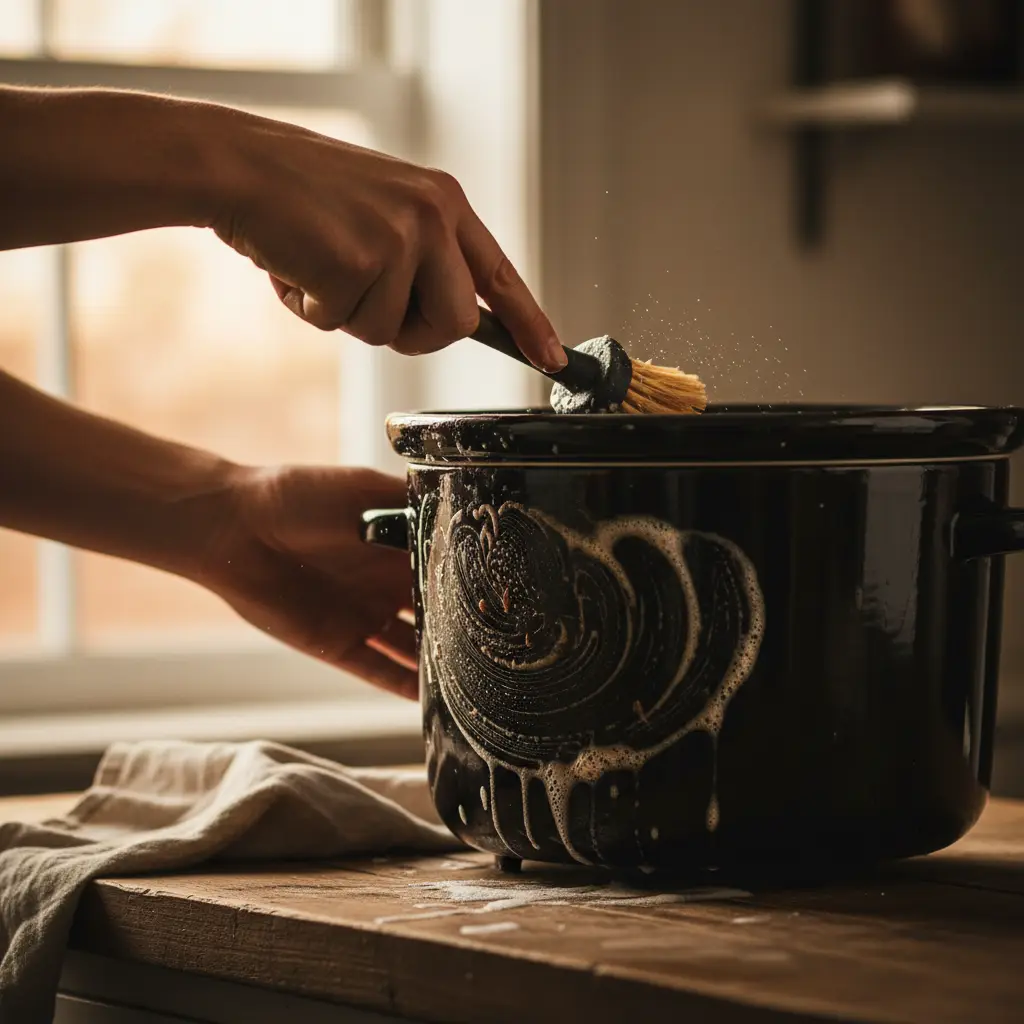
Many manufacturers claim inserts are dishwasher safe, but high heat cycles degrade the glaze over 50-100 washes. Hand washing preserves the non-stick properties for years.
The detergent used in machines is often too harsh for ceramic surfaces. It can leave a residue that affects the flavor of your future keto recipes.
- Hand wash for a 5-year longer lifespan.
- Avoid heavy-duty scrub cycles on delicate stoneware.
- Dry immediately to prevent mineral deposits from hard water.
Practical comparison
| Cleaning Method | Time Required | Safety Risk |
|---|---|---|
| Soak & Soap | 15 min | Low |
| Baking Soda Paste | 10 min | Low |
| Dishwasher | 60 min | Medium |
| Steel Wool | 5 min | High |
Frequently asked questions
Can I use vinegar on the stoneware?
Yes, white vinegar is excellent for removing hard water deposits. Mix it with water in a 1:2 ratio and let it sit for 10 minutes.
How often should I deep clean?
Perform a deep clean every 5-10 uses to prevent oil buildup. Regular rinsing after every meal is enough for daily maintenance.
Why does my slow cooker smell?
Residual oils in the lid gasket trap odors. Remove the gasket if possible, soak it in hot soapy water, and scrub with a soft brush.
Is it safe to soak overnight?
Yes, as long as you use gentle soap. Avoid acidic cleaners for long soaks, as they can etch the glaze over time.
Conclusion
Keeping your slow cooker clean doesn't have to be a chore. By using these simple steps, you extend the life of your equipment and keep your low-carb meals tasting fresh. Grab your baking soda today and give your pot the refresh it deserves!
RSS
Related reading
How to tell it is done (without opening and poking every minute)
- Done meat shreds under a fork with no force — colour tells you nothing here.
- If the sauce is thin at the end, take the lid off for the last 30 minutes on high: it reduces without drying.
- Every lid lift costs roughly 20 minutes of cooking. Lift it twice, maximum.
- 4 h on high ≠ 8 h on low for a lean cut: low keeps it juicy, high dries it out.
- Hard vegetables always go at the bottom — that is the hottest part of the crock.
The 5 mistakes that ruin this recipe — and the fix for each
- Skipping the sear. Five minutes in a hot pan gives the colour and flavour a slow cooker cannot build on its own.
- Too much liquid. Nothing evaporates in a slow cooker. Use about half the liquid of a stovetop recipe.
- Dairy at the start. Cream and milk split over long cooking. Add them in the last 20 minutes.
- Fresh herbs too early. They vanish over 6 hours. Dried at the start, fresh at the end.
- Cooking pasta in the pot. Pasta and rice turn to mush. Cook separately and combine at serving time.
Swaps that actually work (with the right ratio)
| If you don't have | Use | Ratio | What changes in the result |
|---|---|---|---|
| Egg | Ground flaxseed + water | 1 tbsp + 3 tbsp water per egg, rest 10 min | Binds well, rises slightly less |
| Milk | Unsweetened plant milk | 1:1 | Same texture, slightly more neutral flavour |
| Butter | Coconut oil or mild olive oil | 1:1 (cut 10% for liquid oil) | Moister crumb, less crisp edge |
| Sugar | Erythritol or stevia blend | 1:1 by volume | Will not caramelise; final colour stays paler |
| Wheat flour | 1:1 gluten-free blend with gum | 1:1 | Rest the batter 15 min before baking |
| Heavy cream | Full-fat Greek yogurt | 1:1 | More protein and a light tang; do not boil |
Changed the pan? Adjust the time like this
| Original pan | Equivalent | Time adjustment | Watch out for |
|---|---|---|---|
| 8" round | 8×8" square | Same time | Square corners bake faster |
| 9" round | 9×13" pan | −5 to −8 min | Thinner batter, check early |
| Loaf pan | 6 jumbo muffin cups | −15 to −20 min | Cupcakes bake far faster |
| Deep casserole | Two shallow dishes | −10 min | Spreads the heat and prevents a raw centre |
Store, freeze and reheat without wrecking the texture
| Where | How long | How to store | How to bring it back |
|---|---|---|---|
| Fridge | 4 days | Store with the sauce over the meat | Low heat with a splash of water |
| Freezer | 3 months | Portion into flat bags | Thaw overnight in the fridge |
| Meal prep | 3 days | Keep sauce separate from the side | Reheat the sauce before combining |
Frequently asked questions
Can I make How to Clean a Slow Cooker: 3 Easy Methods for 100% Sparkle ahead?
Yes. Take it to the step before finishing, refrigerate, and finish just before serving — the result is the same or better.
Can I double the recipe?
Yes. Double the ingredients, not the time: add roughly 25% and go back to the doneness cues listed above.
What is the real yield per serving?
Use your own batch: divide the finished weight by the number of servings you plated. Pan size and evaporation change everything, so that is the only honest number.
Does it work on any oven or stove?
Yes, but equipment varies by up to 35 °F. Judge by the doneness cues, not the clock, and note your own timing.
How well do leftovers keep?
Very well, following the storage table above. Freeze in flat portions: they thaw evenly and hold their texture.