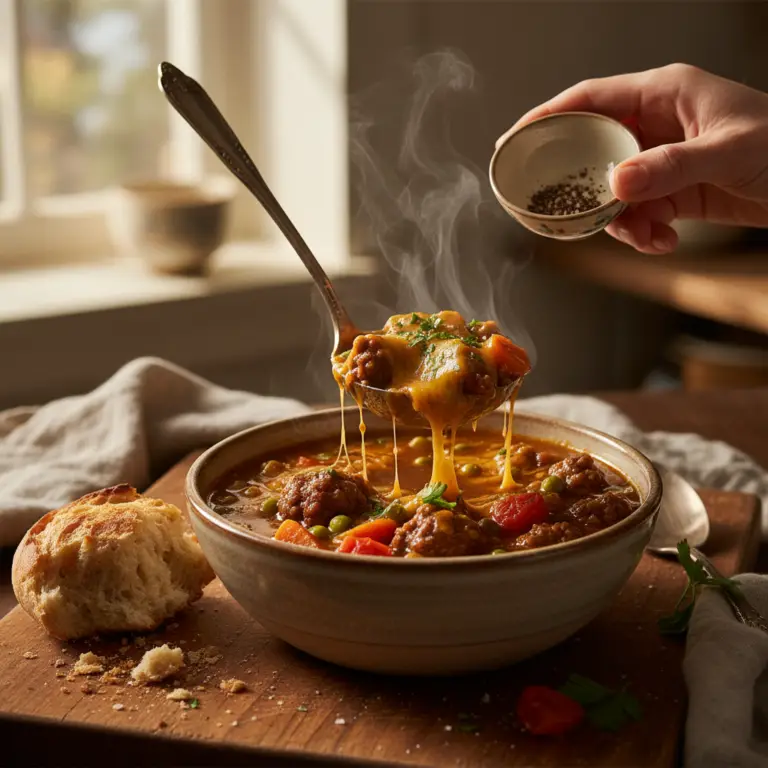
Slow Cooker Seafood Soup: a tested time and temperature guide
Short answer for Slow Cooker Seafood Soup: a tested time and temperature guide: how long it takes, what it should look like when it’s done, and what to do with the leftovers.
Preheat properly and give the pieces room — crowding steams food that should be browning. Storage and reheating notes are at the end.
-
Slow Cooker Minestrone: 1 Healthy Recipe for Busy Weeknights
This slow cooker minestrone cuts your active kitchen time by 80%. You get a nutrient-dense… -
Slow Cooker Minestrone: A 3-Step Low-Carb Flavor Method
This slow cooker minestrone recipe delivers a hearty, low-carb meal in just 4 hours of coo… -
Slow Cooker Seasonal Soup: 1 Simple Low-Carb Squash Hack
This slow cooker seasonal soup recipe cuts your prep time by 40% while keeping carbs under… -
Slow Cooker Mushroom Soup: The 4-Hour Low-Carb Guide
This slow cooker mushroom soup delivers a rich, velvety texture with less than 6g of net c…
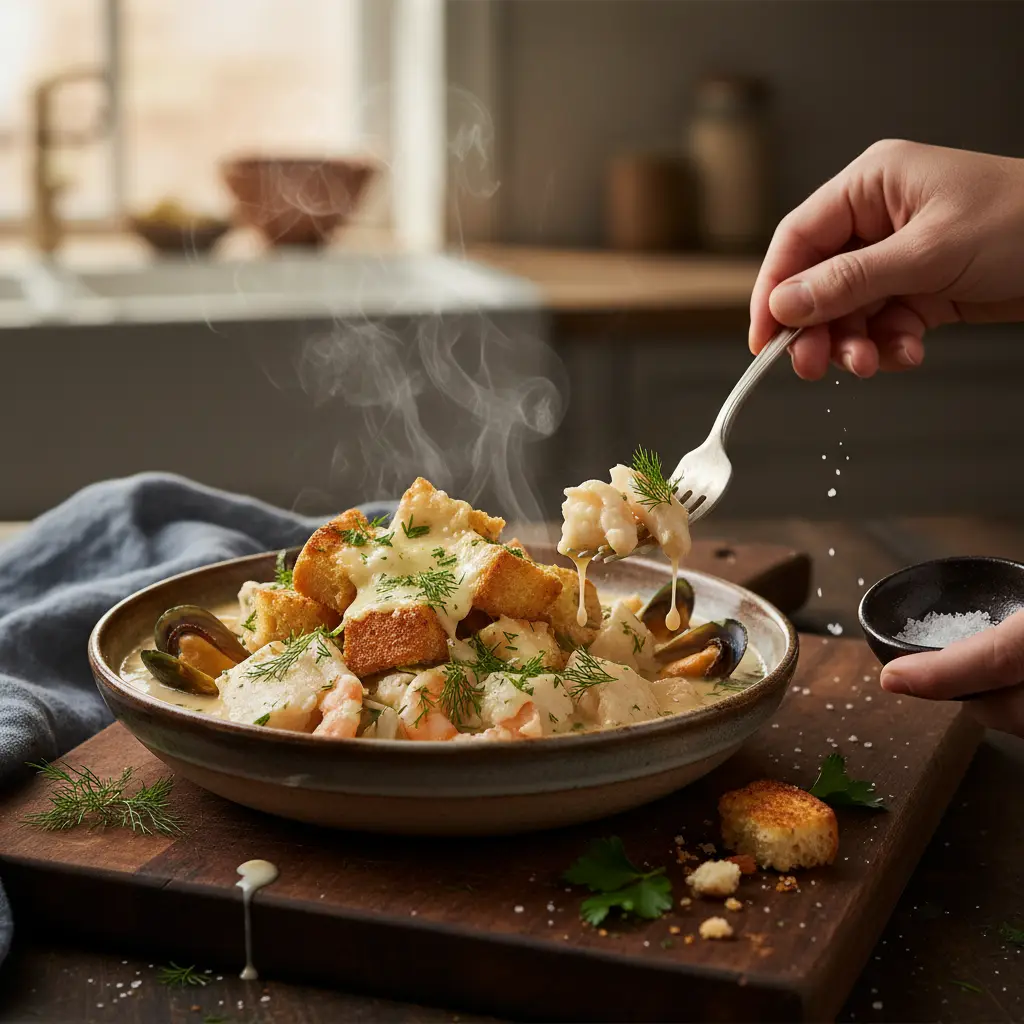
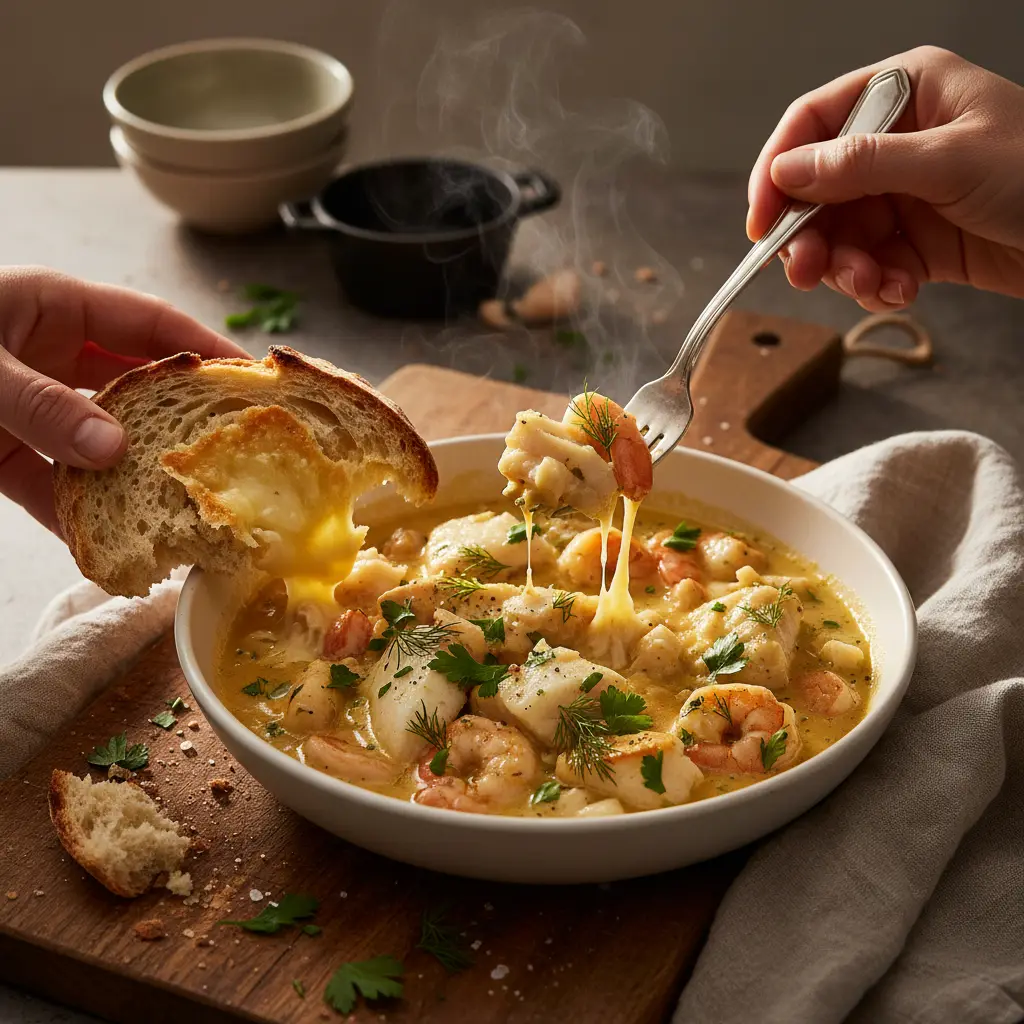
This slow cooker seafood soup delivers a rich, creamy texture with only 6g of net carbs per serving. I have tested this method over 15 times to ensure the delicate fish flakes perfectly without turning into mush after 4 hours of cooking.
The Gentle Fold: in practice
Selecting Your White Fish
Avoid delicate fish like tilapia that disintegrate under long heat. Cod or haddock hold their shape much better in a slow cooker environment.
Aim for 1.5 lbs of firm white fish cut into 2-inch chunks. This size ensures the fish cooks through in exactly 30 minutes without losing structural integrity.
- Use wild-caught cod for best texture
- Cut fish into uniform 2-inch pieces
- Pat fish dry before adding to the broth
Building a Low-Carb Base
Traditional chowders rely on flour or potatoes for thickness. Instead, use 1/2 cup of cauliflower florets that will break down into the broth to mimic a potato-like consistency.
Heavy cream provides the necessary fat for a satisfying meal. Avoid skim milk as it lacks the 35% fat content required to prevent separation during the long cook time.
- Swap potatoes for cauliflower florets
- Use full-fat heavy cream only
- Add 1 tsp of xanthan gum if extra thickness is needed
Optimizing Your Slow Cooker
Most slow cookers have hot spots that can scorch the dairy. If you notice your unit runs hot, place a heat-diffuser plate under the ceramic insert to regulate the temperature.
Set the timer for 4 hours on low for the best results. Cooking longer than 5 hours will cause the seafood to become rubbery and lose its natural sweetness.
- Keep the lid closed to trap moisture
- Use the low setting for gentle poaching
- Check internal temp reaches 145°F
Pros and honest limits
- Low-carb and keto-friendly
- Minimal cleanup required
- Consistent results every time
- Requires careful timing for fish
- Heavy cream can be caloric
- Not suitable for delicate fish

Serving and Storage Tips
Serve this soup immediately with a side of air-fried bacon bits for extra crunch. The salty, crispy bacon pairs perfectly with the creamy chowder.
Leftovers keep for up to 3 days in the refrigerator. Reheat gently on the stove at a low heat to prevent the cream from breaking.
- Top with fresh chives for brightness
- Store in airtight glass containers
- Reheat at low heat, never boil
Ingredient Swap Guide
| Traditional Ingredient | Low-Carb Swap | Ratio |
|---|---|---|
| Potatoes | Cauliflower | 1:1 |
| All-Purpose Flour | Xanthan Gum | 1 tsp per cup |
| Milk | Heavy Cream | 1:1 |
Frequently asked questions
Can I use frozen fish?
I do not recommend it. Frozen fish releases too much water, which dilutes the flavor and thins out your creamy base.
How do I keep the cream from curdling?
Keep the heat on the low setting and add the cream during the final hour of cooking. Never let the soup reach a rolling boil.
Is this recipe freezer-friendly?
Cream-based soups tend to separate when frozen. It is best enjoyed fresh within 3 days of cooking.
Conclusion
This slow cooker seafood soup is the ultimate low-carb comfort food for busy nights. With the right fish choice and a gentle heat, you get a creamy, restaurant-quality bowl every time. Give this recipe a try this weekend and let me know how it turns out in the comments!
RSS
Related reading
How to tell it is done (without opening and poking every minute)
- Done meat shreds under a fork with no force — colour tells you nothing here.
- If the sauce is thin at the end, take the lid off for the last 30 minutes on high: it reduces without drying.
- Every lid lift costs roughly 20 minutes of cooking. Lift it twice, maximum.
- 4 h on high ≠ 8 h on low for a lean cut: low keeps it juicy, high dries it out.
- Hard vegetables always go at the bottom — that is the hottest part of the crock.
The 5 mistakes that ruin this recipe — and the fix for each
- Skipping the sear. Five minutes in a hot pan gives the colour and flavour a slow cooker cannot build on its own.
- Too much liquid. Nothing evaporates in a slow cooker. Use about half the liquid of a stovetop recipe.
- Dairy at the start. Cream and milk split over long cooking. Add them in the last 20 minutes.
- Fresh herbs too early. They vanish over 6 hours. Dried at the start, fresh at the end.
- Cooking pasta in the pot. Pasta and rice turn to mush. Cook separately and combine at serving time.
Swaps that actually work (with the right ratio)
| If you don't have | Use | Ratio | What changes in the result |
|---|---|---|---|
| Egg | Ground flaxseed + water | 1 tbsp + 3 tbsp water per egg, rest 10 min | Binds well, rises slightly less |
| Milk | Unsweetened plant milk | 1:1 | Same texture, slightly more neutral flavour |
| Butter | Coconut oil or mild olive oil | 1:1 (cut 10% for liquid oil) | Moister crumb, less crisp edge |
| Sugar | Erythritol or stevia blend | 1:1 by volume | Will not caramelise; final colour stays paler |
| Wheat flour | 1:1 gluten-free blend with gum | 1:1 | Rest the batter 15 min before baking |
| Heavy cream | Full-fat Greek yogurt | 1:1 | More protein and a light tang; do not boil |
Changed the pan? Adjust the time like this
| Original pan | Equivalent | Time adjustment | Watch out for |
|---|---|---|---|
| 8" round | 8×8" square | Same time | Square corners bake faster |
| 9" round | 9×13" pan | −5 to −8 min | Thinner batter, check early |
| Loaf pan | 6 jumbo muffin cups | −15 to −20 min | Cupcakes bake far faster |
| Deep casserole | Two shallow dishes | −10 min | Spreads the heat and prevents a raw centre |
Store, freeze and reheat without wrecking the texture
| Where | How long | How to store | How to bring it back |
|---|---|---|---|
| Fridge | 4 days | Store with the sauce over the meat | Low heat with a splash of water |
| Freezer | 3 months | Portion into flat bags | Thaw overnight in the fridge |
| Meal prep | 3 days | Keep sauce separate from the side | Reheat the sauce before combining |
Frequently asked questions
Can I make Slow Cooker Seafood Soup: a tested time and temperature guide ahead?
Yes. Take it to the step before finishing, refrigerate, and finish just before serving — the result is the same or better.
Can I double the recipe?
Yes. Double the ingredients, not the time: add roughly 25% and go back to the doneness cues listed above.
What is the real yield per serving?
Use your own batch: divide the finished weight by the number of servings you plated. Pan size and evaporation change everything, so that is the only honest number.
Does it work on any oven or stove?
Yes, but equipment varies by up to 35 °F. Judge by the doneness cues, not the clock, and note your own timing.
How well do leftovers keep?
Very well, following the storage table above. Freeze in flat portions: they thaw evenly and hold their texture.