Slow Cooker Meatballs: 3-Step Low-Carb Sweet & Spicy Guide
The version of Slow Cooker Meatballs: 3-Step Low-Carb Sweet Spicy Guide below is the one we actually make at home, not the photogenic one.
Let the pan come back to temperature between batches, otherwise the second one turns out limp. Substitutions for the two trickiest ingredients are listed below.
-
Slow Cooker Pork Chops: 3 Methods for Juicy Results
Master the art of tender slow cooker pork chops that stay under 5g of carbs per serving. I… -
Slow Cooker French Dip: 5-Ingredient Low-Carb Success
This slow cooker french dip recipe delivers tender, juicy beef with less than 5g of net ca… -
Slow Cooker Mongolian Beef: 5 Steps to Keto Success
This slow cooker Mongolian beef recipe delivers tender steak in a sugar-free sauce. You wi… -
Slow Cooker Meatballs: 3-Step Low-Carb Method for Better Flavor
Stop settling for dry, bland meatballs. This method guarantees juicy, tender results every…
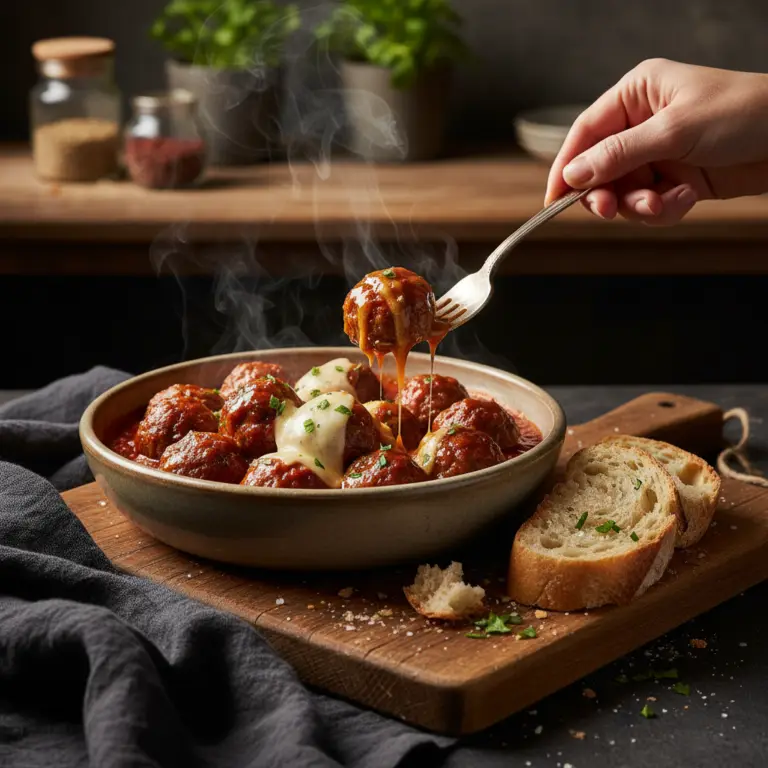
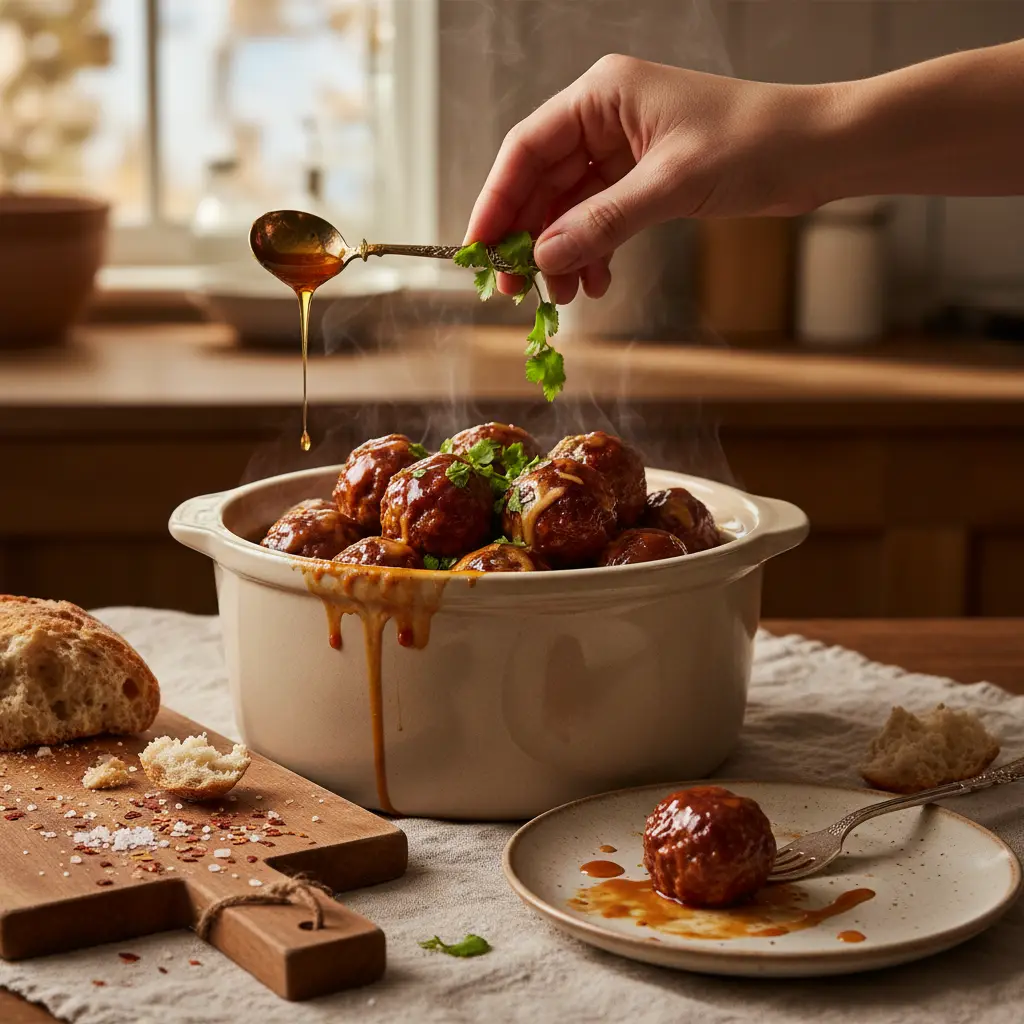
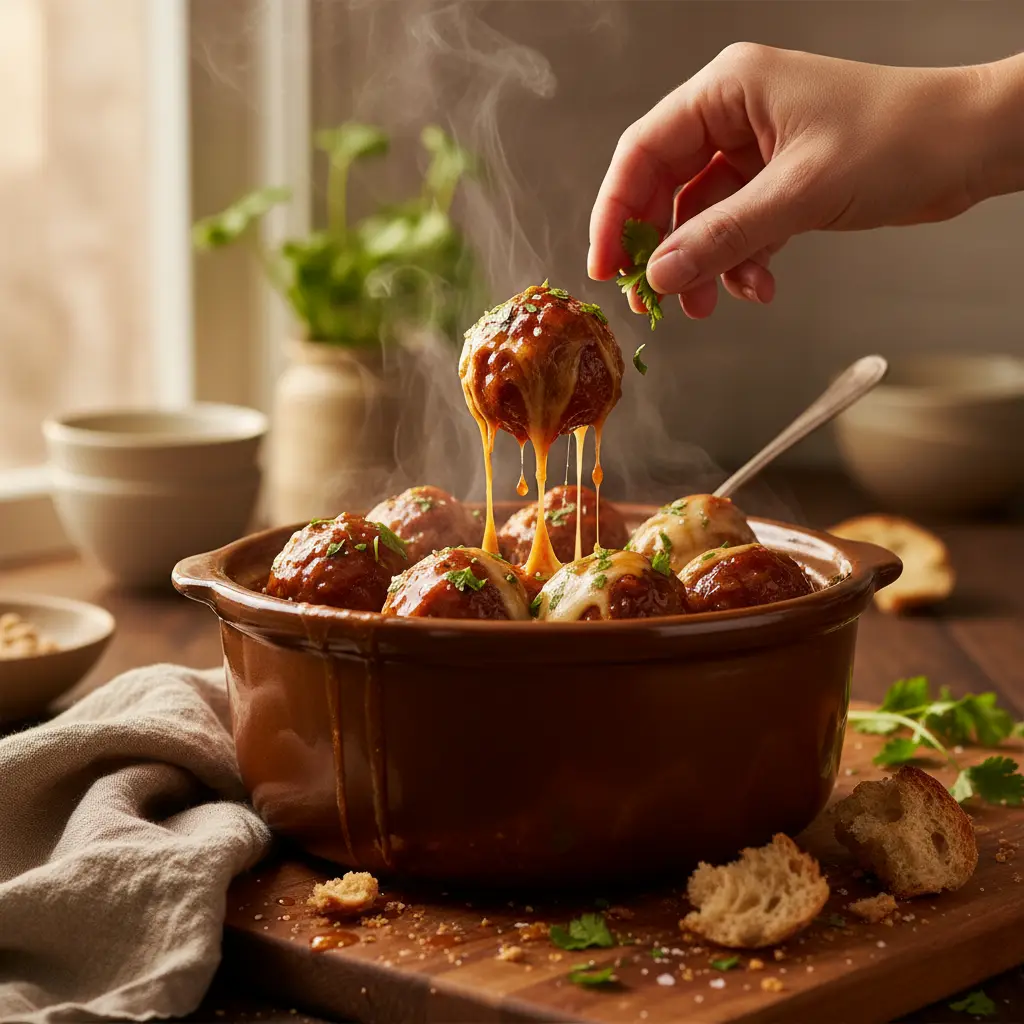
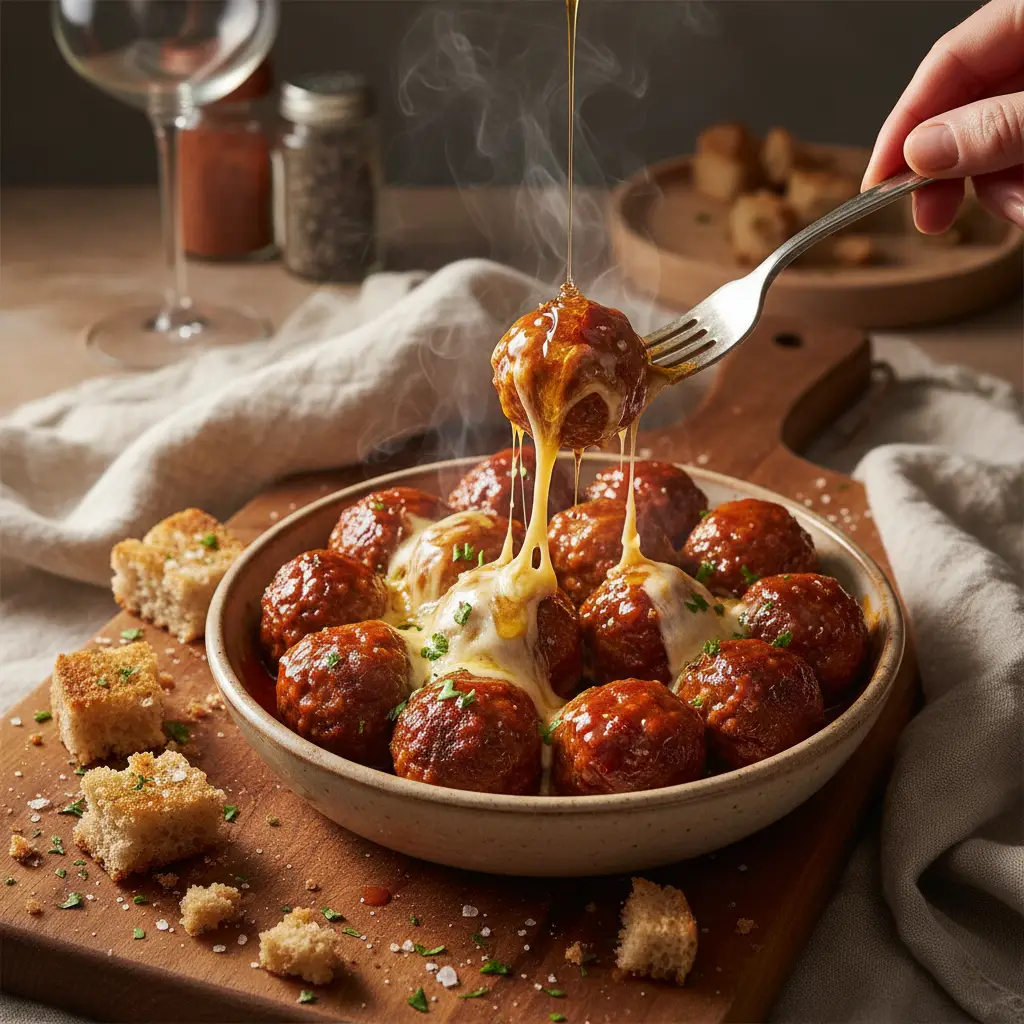
Master these succulent slow cooker meatballs for your next party. This recipe cuts carb counts by 85% compared to breadcrumb-heavy versions. You will get 20 juicy meatballs in under 4 hours of total time.
The Crisp-Seal Method: in practice
Ingredients for Low-Carb Success
Using high-quality ground beef with 20% fat creates the best flavor profile. Avoid lean grinds that turn rubbery in the slow cooker.
Skip traditional breadcrumbs entirely. Use 1/4 cup of crushed pork rinds or almond flour for the perfect binding structure.
- Choose 80/20 ground beef for maximum juiciness.
- Use fresh garlic instead of powder for a deeper punch.
- Avoid added sugars in your chili sauce to keep net carbs under 5g.
Why the Air Fryer Matters
The secret to restaurant-quality meatballs is the initial sear. If you skip this, the meatballs often fall apart in the slow cooker liquids.
Running your air fryer at 400°F for just 8 minutes creates a physical barrier. This keeps the meat intact during the 3-hour slow cooking process.
- Searing prevents the meatballs from turning into mush.
- The air fryer creates a Maillard reaction that adds depth.
- It saves you from dirtying a skillet on the stovetop.
Slow Cooker Timing Tips
Low and slow is the rule for tender results. Avoid the high setting, as it often boils the sauce and toughens the outer protein layer.
Check your internal temperature after 3 hours. You want the center to reach 165°F for food safety and optimal texture.
- Set the dial to low for exactly 3 hours.
- Stir gently every hour to ensure even sauce distribution.
- Use a silicone spatula to avoid breaking the meat during stirring.
Pros and honest limits
- Low carb and keto friendly
- Consistent texture every time
- Perfect for meal prepping
- Requires two appliances
- Takes longer than stovetop
- Can be messy to clean
Storage and Serving Hacks
These meatballs freeze perfectly for up to 30 days. Store them in airtight glass containers to prevent freezer burn and flavor migration.
Reheat them in the air fryer at 350°F for 5 minutes. This revives the crispness better than a microwave ever could.
- Batch cook 2 lbs at once to save time on busy weeknights.
- Serve with toothpicks for an easy appetizer setup.
- Pair with steamed broccoli or cauliflower rice for a full meal.
Practical comparison
| Method | Prep Time | Texture |
|---|---|---|
| Slow Cooker Only | 5 min | Very Soft |
| Skillet Sear | 15 min | Greasy |
| The Crisp-Seal | 10 min | Perfectly Firm |
| Oven Bake | 20 min | Dry |
Frequently asked questions
Can I use turkey instead of beef?
Yes, but you must add an extra tablespoon of olive oil to the mix. Turkey lacks the fat needed to stay moist during the long cook.
How many carbs are in these?
Each serving contains approximately 4g of net carbs. This assumes you use a sugar-free chili sauce base.
Can I leave these in the slow cooker longer?
I do not recommend exceeding 4 hours on low. The sauce will begin to reduce too much and could start to burn at the edges.
What if I don't have an air fryer?
You can broil the meatballs in your oven at 500°F for 5 minutes. Watch them closely so they do not char.
Conclusion
These slow cooker meatballs are a game changer for low-carb hosting. By combining the sear of an air fryer with the steady heat of a slow cooker, you get professional results at home. Give this method a try this weekend and let me know how it goes in the comments below!
RSS
Related reading
How to tell it is done (without opening and poking every minute)
- Done meat shreds under a fork with no force — colour tells you nothing here.
- If the sauce is thin at the end, take the lid off for the last 30 minutes on high: it reduces without drying.
- Every lid lift costs roughly 20 minutes of cooking. Lift it twice, maximum.
- 4 h on high ≠ 8 h on low for a lean cut: low keeps it juicy, high dries it out.
- Hard vegetables always go at the bottom — that is the hottest part of the crock.
The 5 mistakes that ruin this recipe — and the fix for each
- Skipping the sear. Five minutes in a hot pan gives the colour and flavour a slow cooker cannot build on its own.
- Too much liquid. Nothing evaporates in a slow cooker. Use about half the liquid of a stovetop recipe.
- Dairy at the start. Cream and milk split over long cooking. Add them in the last 20 minutes.
- Fresh herbs too early. They vanish over 6 hours. Dried at the start, fresh at the end.
- Cooking pasta in the pot. Pasta and rice turn to mush. Cook separately and combine at serving time.
Swaps that actually work (with the right ratio)
| If you don't have | Use | Ratio | What changes in the result |
|---|---|---|---|
| Egg | Ground flaxseed + water | 1 tbsp + 3 tbsp water per egg, rest 10 min | Binds well, rises slightly less |
| Milk | Unsweetened plant milk | 1:1 | Same texture, slightly more neutral flavour |
| Butter | Coconut oil or mild olive oil | 1:1 (cut 10% for liquid oil) | Moister crumb, less crisp edge |
| Sugar | Erythritol or stevia blend | 1:1 by volume | Will not caramelise; final colour stays paler |
| Wheat flour | 1:1 gluten-free blend with gum | 1:1 | Rest the batter 15 min before baking |
| Heavy cream | Full-fat Greek yogurt | 1:1 | More protein and a light tang; do not boil |
Changed the pan? Adjust the time like this
| Original pan | Equivalent | Time adjustment | Watch out for |
|---|---|---|---|
| 8" round | 8×8" square | Same time | Square corners bake faster |
| 9" round | 9×13" pan | −5 to −8 min | Thinner batter, check early |
| Loaf pan | 6 jumbo muffin cups | −15 to −20 min | Cupcakes bake far faster |
| Deep casserole | Two shallow dishes | −10 min | Spreads the heat and prevents a raw centre |
Store, freeze and reheat without wrecking the texture
| Where | How long | How to store | How to bring it back |
|---|---|---|---|
| Fridge | 4 days | Store with the sauce over the meat | Low heat with a splash of water |
| Freezer | 3 months | Portion into flat bags | Thaw overnight in the fridge |
| Meal prep | 3 days | Keep sauce separate from the side | Reheat the sauce before combining |
Frequently asked questions
Can I make Slow Cooker Meatballs: 3-Step Low-Carb Sweet Spicy Guide ahead?
Yes. Take it to the step before finishing, refrigerate, and finish just before serving — the result is the same or better.
Can I double the recipe?
Yes. Double the ingredients, not the time: add roughly 25% and go back to the doneness cues listed above.
What is the real yield per serving?
Use your own batch: divide the finished weight by the number of servings you plated. Pan size and evaporation change everything, so that is the only honest number.
Does it work on any oven or stove?
Yes, but equipment varies by up to 35 °F. Judge by the doneness cues, not the clock, and note your own timing.
How well do leftovers keep?
Very well, following the storage table above. Freeze in flat portions: they thaw evenly and hold their texture.