Slow Cooker Safety: 5 Rules for 100% Food Safety Success
Mastering slow cooker safety ensures your low-carb meals stay healthy and delicious. Following these 5 specific guidelines prevents bacterial growth and keeps your kitchen routine efficient while ensuring your food hits the target internal temperature every time.
The Safe-Temp Protocol: in practice
Managing the Temperature Danger Zone
Bacteria multiply rapidly between 40°F and 140°F. Keeping your ingredients out of this range is the single most important rule for safe slow cooking.
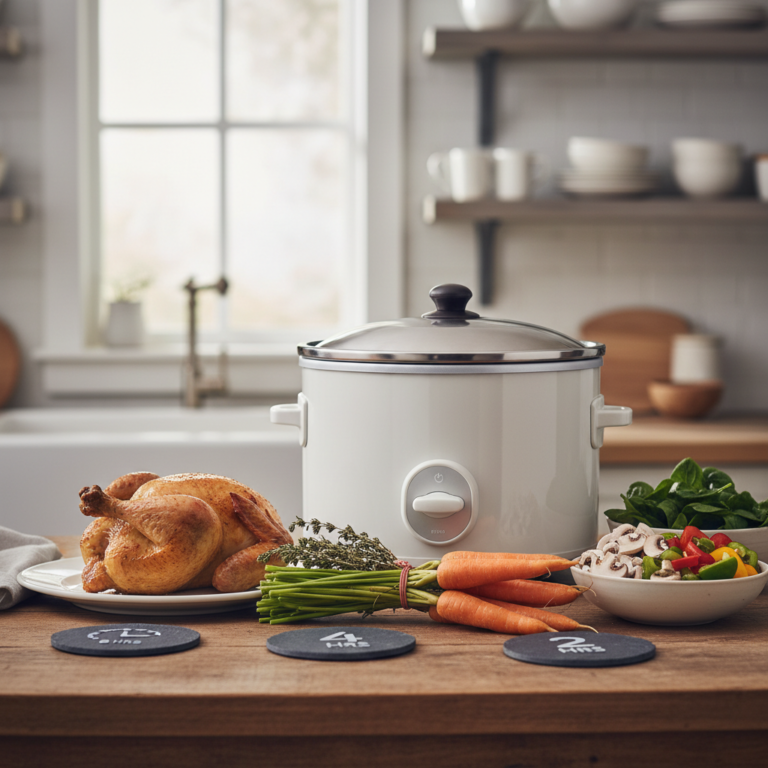
Always start with thawed ingredients. Never put frozen meat directly into a cold slow cooker, as it stays in the danger zone for too long.
- Thaw meat in the refrigerator for 24 hours before cooking.
- Avoid lifting the lid, as each peek loses 10-15 minutes of heat.
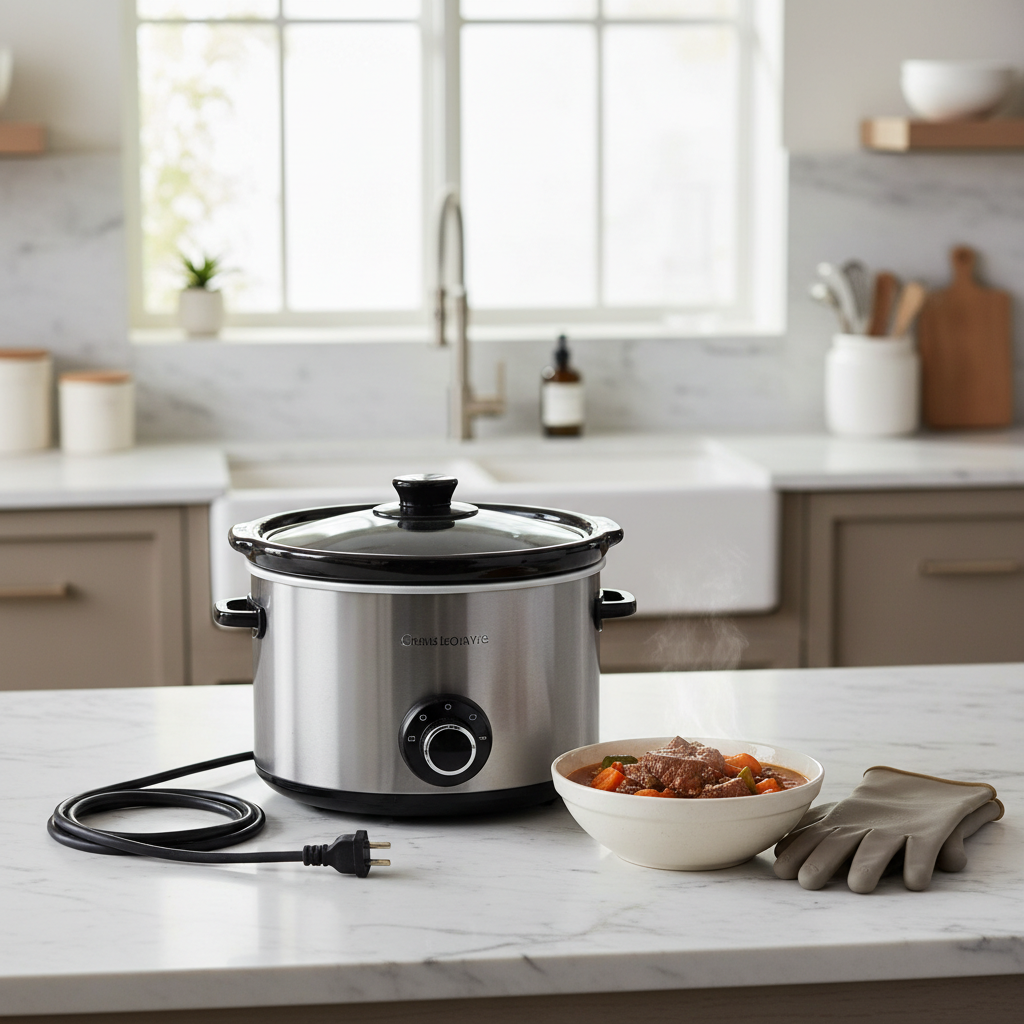
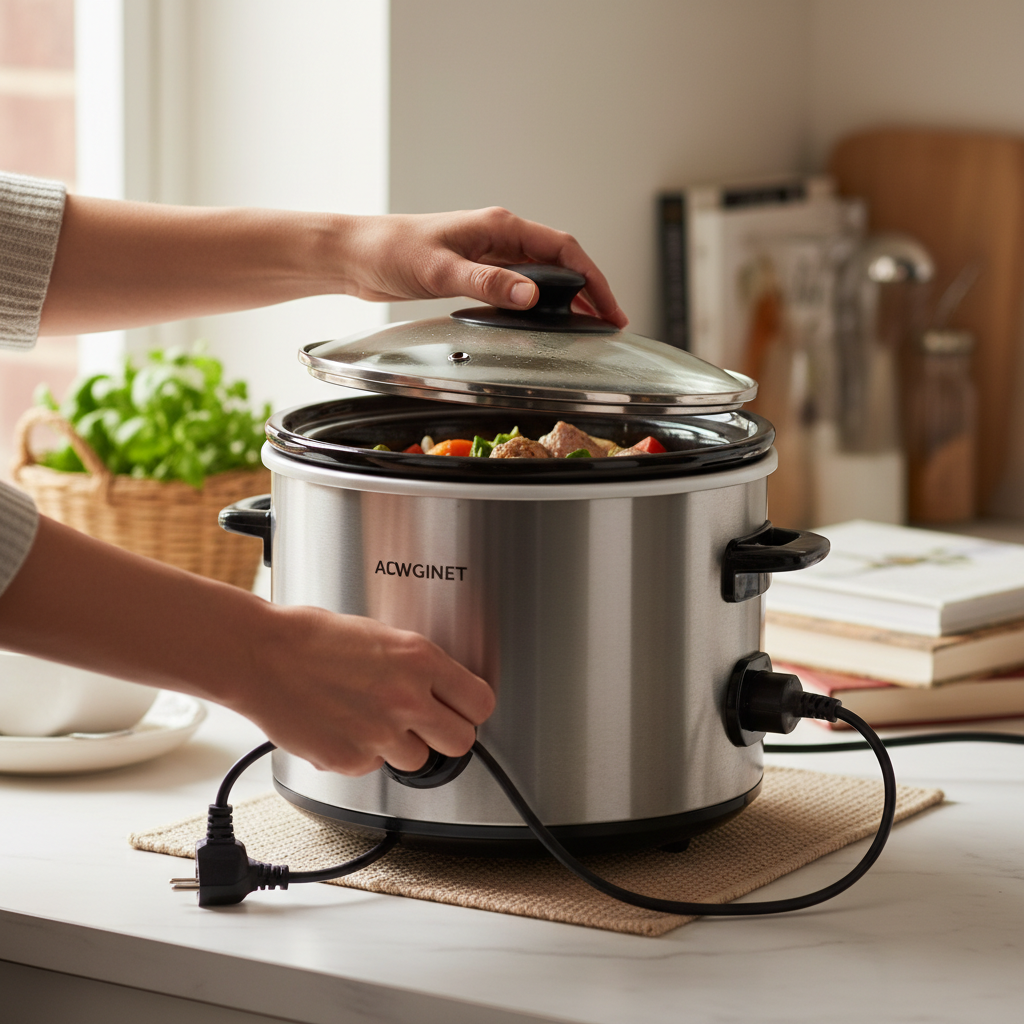
- Always keep the unit plugged in and on a stable, heat-resistant surface.
Optimizing Your Low-Carb Slow Cooking
Low-carb cooking often involves high-protein meats that can dry out if overcooked. Balancing safety with texture requires precision.
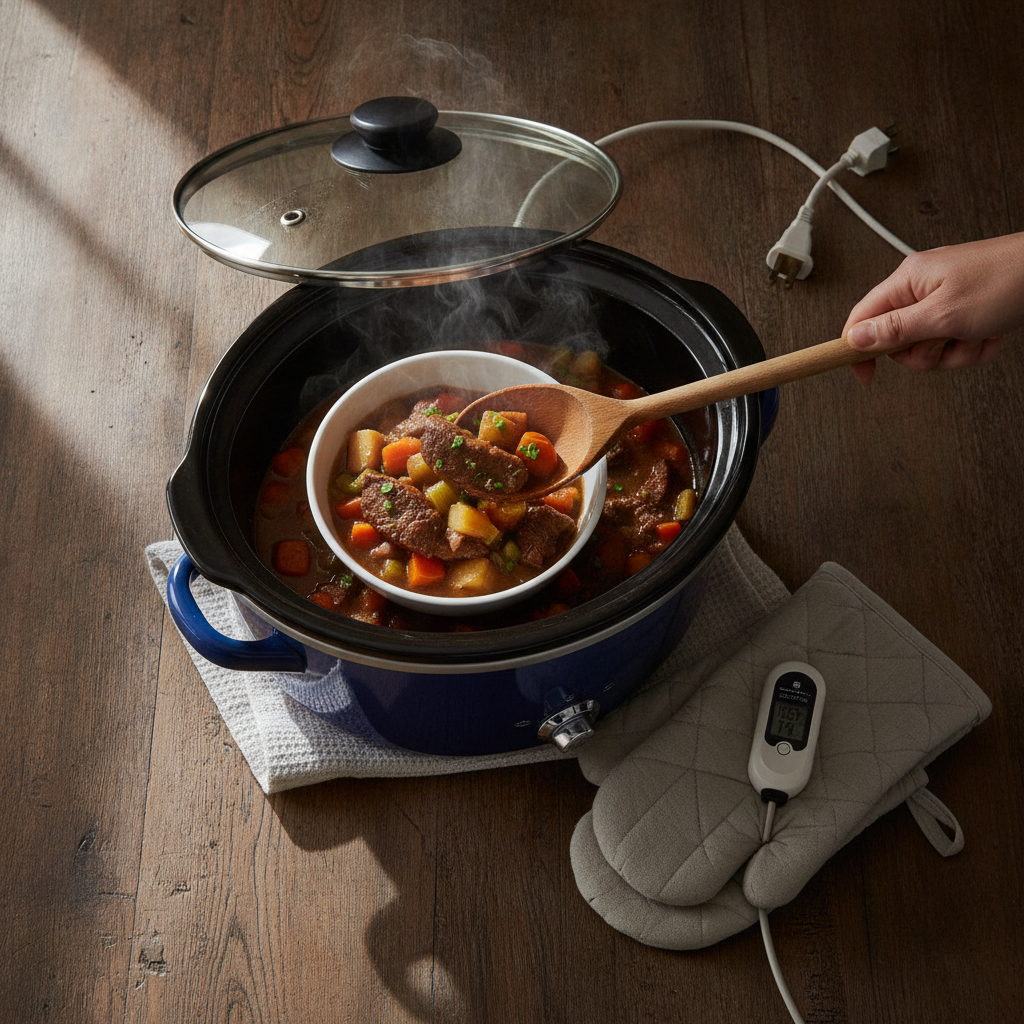
Use a meat thermometer to pull your chicken or beef the second it hits the safe internal temperature. This preserves moisture while meeting safety standards.
- Use a digital probe thermometer for accuracy within 1 degree.
- Add delicate vegetables like zucchini in the last 30 minutes of cooking.
- Trim excess fat to prevent the liquid from becoming too greasy during long cycles.
Preventing Cross Contamination
Safety extends beyond the cooking cycle to your prep area. Clean surfaces are just as vital as your appliance settings.
Wash your hands for 20 seconds before handling raw proteins. Use separate cutting boards for meat and low-carb produce like cauliflower or kale.
- Sanitize countertops with a bleach solution after raw meat contact.
- Never use the same tongs for raw and finished food.
- Store leftovers in shallow containers for faster cooling in the fridge.
Pros and honest limits
- Set-and-forget convenience
- Excellent for tough meat cuts
- Keeps kitchen cool in summer
- Cannot brown meat itself
- Long cook times can dry food
- Requires planning ahead
Emergency Power Outage Procedures
If the power goes out while you are cooking, the food safety clock starts ticking. You have a narrow window to save your meal.
If the power is off for less than 2 hours, the food is generally safe. If it exceeds 2 hours, discard the meal to avoid foodborne illness.
- Check the internal temperature if the power cuts out unexpectedly.
- Move food to the air fryer or oven immediately if it is partially cooked.
- When in doubt, throw it out; no meal is worth a case of food poisoning.
Practical comparison
| Method | Safety Level | Ease of Use |
|---|---|---|
| Slow Cooker | High | Easy |
| Air Fryer | High | Fast |
| Stovetop | Medium | Active |
| Pressure Cooker | High | Technical |
Frequently asked questions
Can I leave my slow cooker on for 12 hours?
Yes, most modern units are designed for this, provided you use the low setting and have enough liquid to prevent burning.
Is it safe to reheat food in a slow cooker?
No, never reheat leftovers in the slow cooker because it heats too slowly, leaving food in the danger zone for too long.
How do I know if my slow cooker is safe?
Perform the water test by filling it halfway with water and measuring the temp after 8 hours on low; it should be at least 185°F.
Does high altitude affect safety?
Yes, water boils at a lower temperature at high altitude. Increase your cooking time by 25% for every 2,000 feet of elevation.
Conclusion
Prioritizing slow cooker safety ensures your low-carb meal prep remains both healthy and stress-free. Stick to these temperature guidelines, keep your equipment clean, and always use a thermometer. Ready to level up your kitchen game? Subscribe for more air fryer and slow cooker tips delivered weekly.
Related reading
---
As an Amazon Associate, I earn from qualifying purchases. Some links in this post may generate a commission at no extra cost to you.